You may look at your hydraulic system and assume that because it is still working today, you can count on it to keep working tomorrow. This is wrong-headed thinking, though, and if you keep it up, it is bound to get you into trouble sooner or later. While multiple issues can arise in your hydraulic system, the majority – think upwards of three-quarters – are because of fluid contamination. Avoid fluid contamination, and you set yourself up for success; fail to do so, and you are begging for a headache.
The benefits of clean oil are, at the same time, just as fantastic as the drawbacks of dirty oil are stressful. Extended service, less downtime, and higher performance are all within your reach.
So, just how does fluid get contaminated?
There are four main types of contamination that you need to consider: particulate contamination, elastomer contamination, metal contamination, and contamination from neglect. Let’s go through each of these.
1. Particulate Contamination
This comes down to the cleanliness of your oil and how well your hydraulic system is filtering. When you are storing your oil and when you are dispensing your oil, you need to pay attention to the dirt and other solid particles that are seeping into the system. These particles, as minor as they may seem when you are looking at them individually, add up rapidly, causing irreversible damage, wearing down components, and hurting efficiency. To give you an idea of the size of these particles, a human hair is about 45 microns thick, and most hydraulic system damage results from particles around 10 microns in size. In addition to renting out filter carts so that you can clean your oil to an appropriate level before you put it into your system, we offer oil testing reports, which provide warnings that are helpful for preventing this type of contamination.
2. Elastomer Contamination
The next type of contamination relates to your hoses first and foremost: are they clean before you use them? There are a few different ways to ensure that they are. You could, for example, run high-pressure air through them. On the other hand, you could shoot foam projectiles through them or flush them out with fluids. Just make sure that if you are doing any flushing, the fluids you use are clean themselves.
3. Metal Contamination
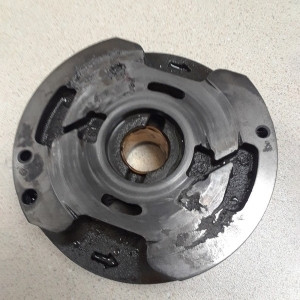
The third type of contamination is exceptionally common: metals. Because there are so many components and pieces of machinery involved in manufacturing a hydraulic system, it is likely that one or two pieces will end up detached from the rest, causing unnecessary damage. Components like pumps and spool valves are sealed with exacting tolerances on metal to metal surfaces, which means some microscopic metal particles will eventually make their way into your oil. You can use a filter to catch these fragments, especially when you are starting up your hydraulic system. We try to push back against metal contamination with our own tried-and-true process, which entails four cleaning stations on our factory floor and a team of experienced, trained technicians.
4. Neglect Contamination
Of course, even if you do everything right at the beginning, you could still wind up in hot water – or in this case, dirty oil. As with everything the hydraulic oil in your system will break down and be less effective as the pressure and heat and inevitable contamination wear on it. If you are failing to maintain your hydraulic system properly, you may learn your lesson about the importance of oil cleanliness the hard way. You would certainly not be the first! To maintain your hydraulic systems, use an appropriate filter for the volume per minute and components used. Change it out after the first 1,000 hours or 6 months and then abide by a regular schedule. Remember: replacing filters is much more economically sensible than replacing a pump or valve.
Protecting Your Hydraulic System With Maverick Machine
We understand that you need to keep working and we want to help you with that. Maverick Machine is all about hydraulic products and cylinders whether custom-made, repaired, or imported. We carry all parts and products that an original equipment manufacturer needs to keep their production rolling.